Framia Image to Video: Transform Photos into Captivating AI Videos with Less Effort
Video has become the preferred format for online communication, whether for marketing, education, entertainment, or personal storytelling. Yet producing high-quality videos from scratch often requires cameras, editing software, and hours of post-production. AI has dramatically simplified this process by making it possible to generate videos from a single image.
Framia Image to Video helps creators convert still photos into dynamic clips using artificial intelligence. Instead of spending time on manual animation, users can upload an image, describe the desired movement, and let AI create a smooth, engaging video. The result is a faster workflow that allows creators, businesses, and marketers to produce fresh content without advanced technical skills.
Why Static Images No Longer Have to Stay Still
Every photograph captures a single moment, but AI can expand that moment into a short visual story. By analyzing objects, lighting, depth, and composition, modern AI creates natural movement that makes an image feel more immersive.
A landscape can feature drifting clouds and flowing water. A portrait may include subtle facial expressions or camera movement. A product image can rotate gently to highlight important details. These effects create a stronger emotional impact than a still photo while requiring very little user effort.
This shift is changing how people create digital content across nearly every industry.
Speed Matters in Today’s Content Landscape
Social media platforms reward consistency, and businesses need fresh visual content almost every day. Producing traditional videos at this pace is expensive and time-consuming. AI image-to-video technology offers a practical alternative. Existing photo collections become valuable creative assets that can be reused in new ways instead of sitting unused in storage.
This approach allows creators to publish more frequently while spending less time on production.
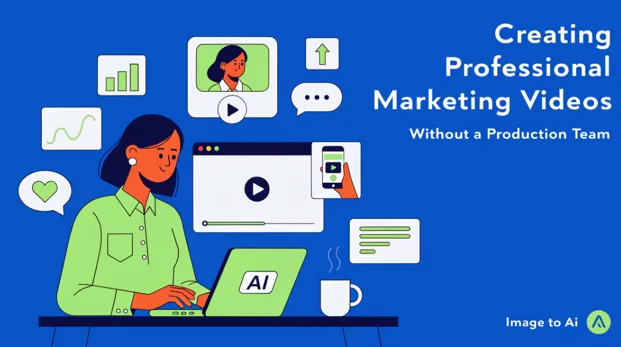
Creating Professional Marketing Videos Without a Production Team
Marketing teams often need promotional videos for new products, seasonal campaigns, advertisements, and social media posts. Hiring photographers, videographers, and editors for every campaign is not always practical.
With Image to Video, businesses can generate short promotional videos directly from product photography. Gentle zoom effects, camera movement, and realistic animation help make products appear more attractive without requiring a complete video shoot.
This makes AI especially valuable for startups, small businesses, and online stores working with limited budgets.
Making Online Shopping More Interactive
Customers prefer seeing products in action before making purchasing decisions. While traditional product videos require additional photography, AI provides another option.
A single product image can become a rotating showcase that highlights textures, colors, and design details. This creates a more engaging shopping experience while reducing production costs.
Industries benefiting from this approach include:
- Fashion
- Electronics
- Cosmetics
- Furniture
- Jewelry
- Handmade products
Even subtle animation can make product listings feel more professional.
Breathing New Life into Existing Photo Libraries
Many creators already have thousands of high-quality images collected over the years. Instead of creating entirely new visuals, AI allows those images to become fresh content again.
Wedding photographers can animate memorable moments. Travel bloggers can enhance scenic landscapes. Restaurants can transform food photography into eye-catching promotional clips. Artists can add movement to digital illustrations.
Reusing existing content extends its value while saving considerable time.
Framia Image to Video for Creative Storytelling
One of the strengths of Framia is its ability to help users focus on storytelling rather than technical editing. Instead of learning complex timelines, keyframes, and animation tools, creators simply describe the type of movement they want.
A quiet forest can become a peaceful cinematic scene with swaying trees and soft sunlight. A city skyline can feature moving traffic and glowing lights. Historical artwork can be animated to create engaging educational content.
The technology encourages creativity while removing many traditional production barriers.
The Importance of Descriptive AI Prompts
AI performs best when it receives clear instructions. Simple prompts work, but detailed descriptions usually produce more realistic and visually appealing results.
Rather than writing:
“Animate this photo.”
Try something more descriptive:
“Slow cinematic camera movement with gentle wind, soft golden lighting, realistic reflections, and natural background motion.”
Useful prompt details include:
- Camera direction
- Subject movement
- Environmental effects
- Lighting conditions
- Mood
- Motion speed
- Overall style
Small improvements in prompt writing often lead to noticeably better videos.
Selecting Images That Produce Better Animations
Image quality plays a significant role in the final result. Sharp, well-lit photos provide AI with more visual information to analyze.
For the best outcome, choose images that have:
- High resolution
- Good lighting
- Clear subject separation
- Balanced composition
- Minimal blur
- Rich visual detail
Portraits, architecture, landscapes, wildlife, product photography, and digital artwork generally work especially well.
Supporting Content Creators Across Multiple Platforms
Every platform has different audience expectations, but video consistently performs well across most major social networks.
AI-generated videos are suitable for:
- Instagram Reels
- TikTok
- YouTube Shorts
- Facebook Stories
- Pinterest Idea Pins
- LinkedIn marketing posts
Instead of uploading a static image, creators can generate several short animated versions tailored to different audiences.
Faster Campaign Production
Marketing campaigns often require numerous visual variations for testing. Different headlines, products, backgrounds, or audiences may need separate advertisements.
AI speeds up this process by allowing creators to generate multiple animated versions from the same image. Instead of filming each variation individually, users simply modify prompts and create several alternatives within a short period.
This flexibility helps teams respond quickly to changing marketing trends.
Expanding Creative Possibilities for Educators
Education has also benefited from image-to-video AI. Teachers and online instructors can transform diagrams, historical images, scientific illustrations, and educational graphics into animated learning materials.
Movement helps maintain student attention while making complex concepts easier to understand.
Educational videos generated from images can be used for:
- Online courses
- Classroom presentations
- Digital learning platforms
- Historical demonstrations
- Science lessons
- Language learning
The ability to create engaging visuals without advanced editing software makes educational content more accessible.
Helping Freelancers Deliver Projects More Efficiently
Freelancers often manage multiple client projects with tight deadlines. AI image-to-video generation helps reduce editing time while maintaining professional quality.
Graphic designers can offer animated versions of existing artwork. Social media managers can create daily video content from image libraries. Marketing consultants can produce promotional assets without relying on separate video production teams.
This improved efficiency allows freelancers to handle more projects while maintaining consistent quality.
Combining Human Creativity with Artificial Intelligence
AI simplifies technical production, but creative decisions remain essential. Choosing compelling images, writing detailed prompts, and understanding audience preferences all influence the final result.
The strongest projects combine human imagination with AI-powered automation. Technology accelerates the process, while creators provide originality, emotion, and storytelling.
Rather than replacing creative professionals, AI serves as a powerful assistant that helps ideas come to life faster.
Conclusion
The demand for engaging video content continues to grow, but creating videos no longer requires expensive equipment or advanced editing expertise. AI has introduced a more accessible way to transform still images into dynamic visual experiences.
Image to Video enables creators, businesses, educators, and marketers to generate professional-looking animated videos from existing photos in a matter of minutes. Whether promoting products, sharing travel experiences, building social media content, or enhancing educational materials, AI-powered image-to-video generation offers a practical solution that saves time without limiting creativity.
As AI technology continues to advance, transforming images into compelling videos will become an essential part of digital content creation. Those who adopt these tools can produce richer visual stories, streamline their workflows, and meet the growing demand for engaging online content.