The Real Difference Between Resting and Actually Sleeping on a Plane
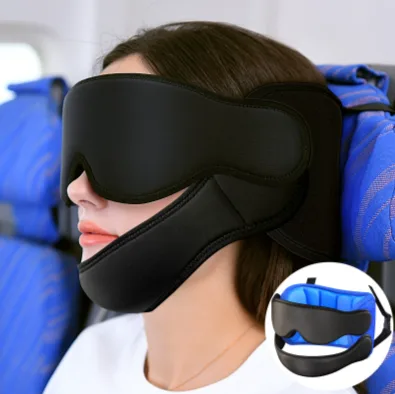
There is a gap between closing your eyes on a plane and genuinely sleeping through part of a flight, and most travelers spend years stuck on the wrong side of it. Resting with your eyes shut for a few minutes does very little to restore energy. Real sleep, even in short stretches, changes how you feel when you land. The difference usually comes down to whether your body has enough support to let go completely, rather than staying half-alert to keep your head from falling.
For anyone who flies long-haul routes regularly, whether for business trips, visiting family overseas, or multi-leg vacations, figuring out how to get actual sleep in a cramped seat is worth solving properly. It affects jet lag recovery, mood on arrival, and how ready you are for whatever comes right after landing. The right kind of physical support changes this equation more than most people expect.
Why Your Body Resists Falling Asleep in a Seat
Sleep researchers have long noted that the human body is wired to be cautious about falling fully asleep while upright and unsupported. Part of this is instinctual, your muscles stay slightly tense to prevent your head from dropping suddenly, which itself can trigger a brief awakening. On a plane, this shows up as a cycle: you start to drift off, your head tips, you jolt awake, and the process resets. Over a long flight, this can repeat dozens of times without you fully realizing it, leaving you in light, broken rest instead of anything restorative.
Removing that instinctual tension is the key to breaking the cycle. When your head and neck are held in a stable position, your body does not need to stay partially alert to catch a fall that will not happen. This is the core function that airplane sleep support is meant to provide, giving your muscles permission to fully relax because the structure around your neck is doing the job they would otherwise have to do.
The Role of Head Position in Sleep Quality
Head position affects more than comfort. When your head drops too far forward, it can partially restrict your airway, leading to shallower breathing and lower oxygen intake during sleep. When it tips too far sideways, it strains the muscles on one side of your neck unevenly. Either scenario reduces sleep quality even if you technically remain asleep for a while. Proper support keeps your head in a neutral position, which supports easier breathing and more even muscle tension throughout the flight.
What Makes Sleep Support Actually Effective on Long-Haul Flights
Long-haul flights present a different challenge than short domestic hops. On a two-hour flight, a bit of discomfort is easy to push through. On a ten or twelve-hour flight, discomfort compounds, and small issues with support become major sources of fatigue by the time you land. This is why sleep support built specifically for long-haul routes tends to differ from generic neck pillows in a few important ways.
First, the support needs to hold its shape for the full duration of the flight, not just the first hour before foam compresses or an inflatable pillow loses air. Second, it needs to work across multiple sleep positions, since most people shift between leaning back, leaning to one side, and occasionally leaning forward during a long flight. Third, breathability matters more on longer flights, since cabin air can feel stale and warm, and any material trapping heat against your neck will disrupt sleep even with good structural support in place.
Adjustability for Different Seat Configurations
Seat recline angles vary widely between airlines and cabin classes, and even between economy and premium economy on the same aircraft. Sleep support that can be adjusted or repositioned easily is more useful across different flights than a fixed-shape solution, since it can adapt to whatever angle your particular seat allows.
Combining Support With Smart Pre-Flight Habits
Physical support works best alongside a few simple habits. Avoid caffeine in the hours leading up to your planned sleep window on the flight, since it can undercut even the best physical setup. Dimming your device screen and using an eye mask reduces the light cues that keep your brain alert. Sarisun designs its long-haul sleep collection with these realities in mind, building products meant to pair with a full pre-flight wind-down rather than acting as a standalone fix.
Timing your sleep window to match your destination’s nighttime, rather than your departure city’s clock, also compounds the benefit. Combined with stable head support, this alignment helps your body treat the flight as an actual sleep opportunity rather than a stretch of time to simply endure.
Turning Flight Time Into Real Recovery Time
Getting real sleep on a long flight is not about luck or being able to fall asleep anywhere. It comes down to removing the physical instability that keeps your body on alert, and pairing that support with a few deliberate habits before and during the flight. Once your neck and head have consistent support, your body stops fighting to stay balanced and can actually settle into deeper rest.
The next long-haul trip you take is a chance to test this out directly. Set up your support before takeoff, time your sleep window intentionally, and notice how different you feel stepping off the plane compared to flights where you simply hoped for the best.