Designing a Health-Conscious Kitchen With Practical Everyday Improvements
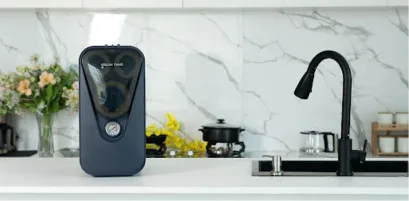
A health-conscious kitchen is built around practical choices that support food preparation, cleanliness, organization, and access to suitable drinking water. Homeowners do not necessarily need expensive renovations to create a better cooking environment. Small improvements, such as organizing food storage, cleaning preparation surfaces, and improving water access, can make a meaningful difference. Installing a ro water filter system is one option for households seeking convenient access to filtered drinking water while reducing certain unwanted substances. When combined with responsible food handling and regular maintenance, it can become a useful part of a well-organized kitchen.
The Importance of Reverse Osmosis in Household Water Treatment
A reverse osmosis water filter uses membrane technology to reduce many dissolved substances from water. Residential systems typically combine the membrane with sediment and activated carbon filtration to provide several stages of treatment. The process can help reduce certain dissolved contaminants, improve water taste, and provide convenient drinking water directly from the kitchen. However, filtration performance varies by model, and homeowners should compare certified contaminant reduction claims before selecting a system. Appropriate water testing also helps determine whether reverse osmosis is suitable for the household’s specific requirements.
Maintaining Clean Food Preparation Areas
Clean food preparation surfaces are essential for maintaining kitchen hygiene.
Countertops, cutting boards, knives, and cooking utensils should be cleaned regularly, particularly after handling raw meat, poultry, seafood, and unwashed produce.
Different cutting boards can be used for raw animal products and ready-to-eat foods to reduce cross-contamination risks.
Kitchen towels and sponges should also be cleaned or replaced frequently. Damp materials can become difficult to maintain hygienically when left unused for extended periods.
A consistent cleaning routine makes food preparation safer and keeps the kitchen more organized.
Improving Drinking Water Access
Water is used throughout food preparation, from washing vegetables to boiling ingredients and preparing beverages.
Having convenient access to drinking water can make everyday kitchen tasks easier. Families can fill glasses and reusable bottles without relying on individually packaged products.
An under-sink filtration arrangement can help preserve countertop space while providing a dedicated source of filtered water.
Homeowners should choose a system according to the substances they want to reduce and the characteristics of their incoming water.
Proper installation and regular cartridge replacement are necessary for maintaining the intended filtration performance.
Organizing Refrigerators and Food Storage Areas
An organized refrigerator helps households manage ingredients more effectively.
Raw foods should be stored separately from ready-to-eat items, and perishable products should be kept at appropriate temperatures.
Transparent containers make it easier to identify leftovers, while labels can help family members track preparation dates.
Keeping frequently used ingredients in accessible areas can also simplify meal preparation.
Dry food storage deserves similar attention. Pantry shelves should be kept clean and organized, and food products should be stored in suitable containers to protect them from moisture and pests.
These habits can reduce food waste and improve household efficiency.
Encouraging Better Hydration Habits
Drinking water regularly is an important part of everyday health routines.
Busy schedules sometimes make it easy to forget to drink enough water. Keeping reusable bottles accessible at home, work, or school can help make hydration more convenient.
Families can also prepare chilled drinking water in covered containers and keep it in the refrigerator.
Children may enjoy using reusable bottles in different colors or designs, making it easier to establish consistent habits.
Individual hydration requirements vary depending on age, activity level, climate, and other factors. Drinking needs should therefore be adjusted according to personal circumstances.
Selecting Kitchen Products Carefully
A health-conscious kitchen benefits from equipment that is practical, durable, and easy to maintain.
When purchasing cooking appliances, consumers should review safety instructions, material information, energy consumption, and cleaning requirements.
Food storage containers should be suitable for their intended use, particularly when used with hot foods or refrigerated ingredients.
Water filtration equipment deserves the same level of attention. Check product dimensions, replacement cartridge availability, installation requirements, and independently supported performance claims.
Avoid assuming that more expensive equipment automatically provides better results. The most suitable product is one that meets the household’s actual needs.
Reducing Unnecessary Kitchen Waste
Reducing household waste is another practical kitchen improvement.
Reusable food containers, washable cleaning cloths, and refillable drinking bottles can replace many disposable alternatives.
Meal planning can also reduce food waste by helping families purchase only the ingredients they expect to use.
Food scraps that are suitable for composting can be separated from general household waste where local facilities are available.
Water conservation should also be considered. Repair leaking faucets, avoid unnecessary running water, and compare filtration systems based on their water efficiency.
These changes can improve household resource management without requiring major financial investment.
Making Kitchen Maintenance a Regular Routine
A clean and functional kitchen requires ongoing attention.
Refrigerators should be cleaned periodically, appliances should be inspected according to manufacturer instructions, and plumbing fixtures should be checked for leaks.
Water filtration equipment should receive particular attention because its performance depends on the condition of its cartridges and membrane.
Homeowners should record filter replacement dates and use compatible replacement components.
If the system develops persistent leaks, unusual noises, or changes in water production, professional inspection may be necessary.
Conclusion
A health-conscious kitchen is created through consistent habits and practical household improvements rather than expensive equipment alone. Clean preparation surfaces, organized food storage, responsible product choices, and convenient access to drinking water all contribute to a better kitchen environment. Under-sink reverse osmosis filtration can be a useful addition for households that need to reduce certain dissolved substances in their drinking water. By combining suitable filtration with regular maintenance, good food hygiene, and responsible resource use, homeowners can create a more functional and comfortable space for everyday living.