Why Do Floor Drains Smell, and When Should You Call for Help?
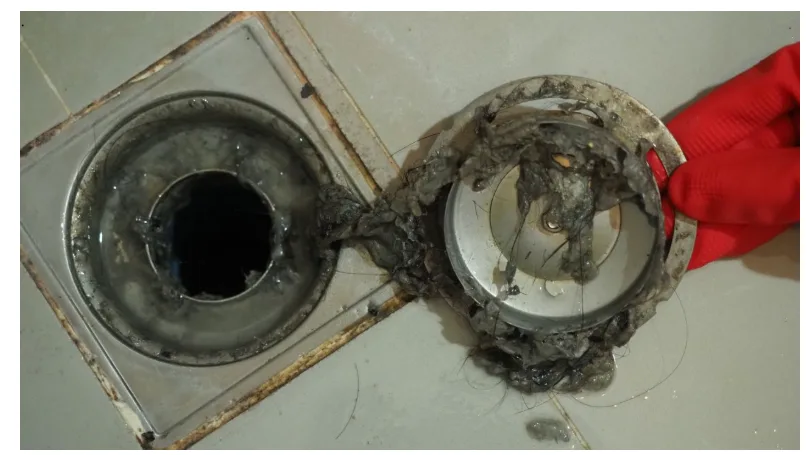
A smell near a floor drain can involve the trap, surrounding buildup or another plumbing concern; it does not automatically mean the main sewer is blocked. Persistent, recurring or unexplained odours deserve assessment, especially if drainage behaviour has also changed.
At Hamilton Drain Cleaning, we recommend describing the smell and the way nearby fixtures behave as separate observations. That gives the assessment a better starting point than assuming a cleaning product will solve everything. Here is what you can record safely and which questions need a professional answer.
What is a floor drain trap supposed to do?
A trap holds water that forms a barrier between the room and the drainage system. If that barrier is absent or not functioning as intended, odours can enter the building.
The County of Brant’s explanation of traps and vents provides useful general plumbing context. It is not a diagnosis of your Hamilton property or evidence that its arrangements comply with current requirements.
A rarely used drain may raise a question about the trap’s condition, but age, infrequent use or an odour alone cannot establish the cause. Ask a plumber what the actual installation needs rather than opening or modifying it yourself.
Does a sewer-like smell always mean a clog?
No. An odour and a drainage restriction are related possibilities, not interchangeable descriptions. A drain can smell without an obvious backup, and a restriction may produce other signs.
Notice whether water drains slowly, another fixture gurgles or water rises in a low fixture when something else empties. Those are useful observations if they occur during ordinary use. Do not deliberately provoke an overflow to test a theory.
Tell us whether the smell is constant or appears after an activity, weather event or period of disuse. The timing can guide questions without proving the answer. A label such as “sewer gas” should not substitute for assessment.
What should you look at without dismantling the drain?
From a safe position, note the location, surrounding moisture and anything visibly changed. A photograph of the area can help explain access, but it is not necessary to remove a cover or reach into the drain.
Keep cleaning-product containers or names available if anything has already been used. Do not mix products or add a second treatment because the first did not remove the smell.
If the area contains sewage, spreading water or water near electrical equipment, keep people and pets clear. Avoid entering the affected space to collect more information. The immediate safety concern takes priority over identifying the odour.
Could the smell come from somewhere else?
Yes. A room’s smell can be difficult to locate accurately, and several nearby fixtures or components may need consideration. Explain where it seems strongest without treating that position as a confirmed source.
For example, a utility room may contain a floor drain, laundry connections and other equipment. “The smell is strongest beside the laundry area” is a useful statement. “The floor drain must be broken” is a conclusion that has not yet been established.
If you suspect a gas leak or feel unwell, leave the building and contact the appropriate emergency service or utility from a safe location. Do not stay inside trying to distinguish dangerous odours by smell.
What if water is also backing up?
A backup changes the immediate service discussion. Stop unnecessary use of affected fixtures and report where water is appearing, whether it is continuing and which other fixtures are involved.
The City of Hamilton’s sewer-backup guidance explains the local reporting context. Use its current instructions where a municipal or lateral concern may be involved.
A backup should not be managed only with fragrance, disinfectant or repeated flushing. Those actions do not establish the blockage location, and adding water can worsen the situation. Describe current conditions so the appropriate response can be discussed.
How do you prepare for an assessment?
Write down when the smell started, how often it occurs and any recent plumbing or building work. Include prior drain service and whether it changed the symptom.
Make the route to the area accessible by moving ordinary belongings only where safe. Leave fixed components and connected equipment undisturbed. Tell us about stairs, finished spaces or building-management requirements when arranging access.
During the visit, ask what the findings support. Is the issue associated with the trap, a restriction or another part of the system? If further assessment is recommended, clarify what question it is intended to answer before authorizing it.
What would two different cases look like?
Imagine a hypothetical homeowner noticing an odour after a little-used room has been empty for a long period. The drain still appears to accept ordinary water use. That history raises different initial questions from a household reporting smell, gurgling and rising water in several fixtures.
Neither household should be given the same assumed fix without assessment. The first needs the odour source and installation reviewed. The second must also communicate the current backup behaviour and avoid unnecessary use.
The comparison explains why we ask about symptoms separately. It is not a description of a completed project or an instruction for restoring a trap yourself.
Should you investigate a roof vent?
No. Do not climb onto a roof or modify venting to investigate a floor-drain smell. Venting is part of the plumbing system, and its role needs professional assessment. Mention visible building changes or earlier work, then leave access and testing decisions to the responsible contractor.
Should the drain be replaced if the smell returns?
Not automatically. A recurring smell means the original cause or another condition needs clarification. Replacement should follow a finding that explains why it is appropriate.
Keep previous service notes and report what improved, for how long and what changed again. A brief improvement is information, not proof that the entire concern was resolved.
If a floor-drain smell is persistent or accompanied by drainage changes, contact Hamilton Drain Cleaning. We can discuss what needs assessment and help you describe the problem without jumping directly from odour to a major repair.