Countertop Water Filters: Safe and Convenient for Families
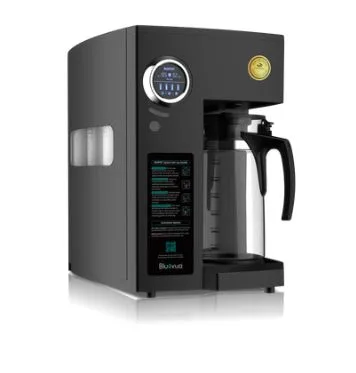
Every glass of water your family drinks could contain invisible threats—lead, chlorine, pesticides, microplastics, and pharmaceutical residues that municipal treatment plants often fail to fully eliminate. For parents and caregivers, these contaminants represent a daily concern that demands a practical solution. Countertop water filters have emerged as one of the most accessible ways to address these risks without the hassle of complex plumbing modifications or expensive whole-house systems. Designed with small families in mind, modern countertop filtration units combine advanced technologies like reverse osmosis with safety-focused materials such as BPA-free storage tanks to deliver genuinely pure drinking water. This article explores why these systems have become essential for health-conscious households, what features matter most when selecting one, and how to keep your filter performing at its best. Whether you’re navigating water quality reports for the first time or upgrading from a basic pitcher filter, this guide will help you make a confident, informed decision for your family’s daily hydration needs.
The Growing Need for Safe Drinking Water in Small Families
Water quality concerns have intensified in recent years as aging infrastructure, agricultural runoff, and industrial pollution introduce an expanding list of contaminants into municipal supplies. Studies consistently detect traces of lead from corroded pipes, chlorine byproducts linked to long-term health complications, and emerging pollutants like PFAS chemicals that standard treatment facilities weren’t designed to handle. For small families—particularly those with young children, pregnant women, or immunocompromised members—these risks carry outsized consequences. Developing bodies are more vulnerable to even low-level chemical exposure, making the quality of everyday drinking water a genuine health priority rather than an abstract concern. Bottled water might seem like a quick fix, but it introduces plastic waste, inconsistent quality standards, and recurring costs that add up quickly. Boiling water addresses bacteria but does nothing against heavy metals or chemical contaminants. This gap between what comes out of the tap and what families actually need has driven growing demand for home filtration solutions that are both effective and practical. Counter top water filters answer this need directly—they provide advanced purification without requiring homeownership, renovation budgets, or technical expertise, making safe water accessible to families in apartments, rentals, and compact living spaces alike.
Why Countertop Water Filters Are Ideal for Small Families
Unlike under-sink systems or whole-house installations that require professional plumbing work, countertop water filters arrive ready to use with minimal setup—most connect to a standard faucet in minutes or operate as completely freestanding units that simply plug into an outlet. This makes them perfect for renters who can’t modify their plumbing, families in apartments with limited space, or anyone who wants clean water without a weekend renovation project. Their compact footprint means they fit comfortably beside a kitchen sink without consuming valuable counter space, and many models weigh little enough to move between rooms or pack for relocation.
For busy parents managing work, school schedules, and household responsibilities, the appeal goes beyond installation simplicity. Countertop filters require far less ongoing attention than pitcher filters that need constant refilling or faucet-mounted units that slow water flow to a trickle. Modern systems deliver filtered water on demand at reasonable flow rates, meaning filling bottles for school lunches or preparing formula doesn’t become a waiting game. Compared to whole-house filtration, countertop units also concentrate their purification power where it matters most—at the point of consumption—delivering higher contaminant removal rates for drinking and cooking water specifically. When weighed against the recurring expense and environmental cost of bottled water, or the limited filtration capacity of basic carbon pitchers that miss heavy metals and dissolved solids, countertop systems strike an ideal balance of thoroughness, convenience, and affordability that aligns with how small families actually live and use water daily.
Key Features of Advanced Countertop Filtration Systems
Modern countertop water filters pack sophisticated purification technology into surprisingly compact designs, but not all systems are created equal. Understanding the core features that distinguish a genuinely effective unit from a basic carbon filter helps families invest wisely in their daily water quality. The two most significant advancements in today’s countertop systems are reverse osmosis membrane technology and health-conscious material choices for water storage components.
Understanding Countertop RO Systems for Pure Water Filtration
Reverse osmosis works by forcing water through a semi-permeable membrane with pores so small that virtually all dissolved contaminants—including heavy metals, fluoride, nitrates, arsenic, and pharmaceutical traces—are physically separated from the water molecules passing through. This process achieves pure water filtration at a level that carbon filters alone simply cannot match, typically removing 95-99% of total dissolved solids. For families concerned about lead exposure or living in areas with agricultural chemical runoff, a countertop RO system provides measurable peace of mind backed by verifiable results. Brands like Bluevua have developed compact countertop RO units that combine the RO membrane with pre-filters and post-filters (such as sediment screens and activated carbon stages) to extend membrane life and polish taste. The result is water that’s not just safe but genuinely pleasant to drink, which matters enormously when you’re trying to keep children hydrated without relying on flavored beverages.
The Importance of a BPA-Free Tank in Advanced Filtration
Bisphenol A, commonly known as BPA, is an industrial chemical used in many plastics that can leach into stored water, particularly at warmer temperatures. Research has linked BPA exposure to hormonal disruption, developmental issues in children, and increased risks of certain health conditions—precisely the concerns that drive families to filter their water in the first place. A BPA-free tank ensures that the purification effort isn’t undermined by the very container holding the clean water. Advanced countertop systems now use food-grade, BPA-free materials for all components that contact filtered water, from internal reservoirs to dispensing lines. This attention to material safety means families aren’t trading one contaminant source for another, and it’s especially critical for households preparing infant formula or water for young children whose developing systems are most sensitive to chemical exposure.
How to Choose the Best Countertop Water Filter for Your Home
Selecting the right countertop water filter starts with understanding what’s actually in your water. Request your local utility’s annual Consumer Confidence Report or invest in an independent home water test kit to identify specific contaminants—this determines whether you need a basic carbon system or a more comprehensive RO unit. If your results show elevated heavy metals, dissolved solids, or chemical pollutants, a countertop RO system will deliver the thorough removal your family needs, while homes with primarily chlorine and sediment concerns may find a multi-stage carbon filter sufficient.
Beyond filtration type, verify that any system you consider carries NSF/ANSI certifications—particularly NSF 42 for aesthetic improvements, NSF 53 for health-related contaminant reduction, and NSF 58 specifically for reverse osmosis performance. These certifications confirm that the manufacturer’s claims have been independently validated rather than simply printed on packaging. For small families, daily water consumption typically ranges between two and four gallons, so choose a system with a production capacity that comfortably meets your household’s drinking and cooking demands without running dry during peak morning or evening hours. Evaluate the total cost of ownership beyond the purchase price by factoring in filter replacement frequency and membrane lifespan—a slightly more expensive unit with longer-lasting filters often proves more economical over two to three years. Finally, confirm that all water-contact components use BPA-free, food-grade materials, and look for systems with clear filter change indicators so maintenance never becomes guesswork.
Installation and Maintenance: Simplifying Pure Water Filtration
Getting a countertop water filter up and running typically takes less than fifteen minutes. Most faucet-connected models include a diverter valve that attaches to your existing aerator—simply unscrew the aerator, thread on the adapter, and connect the tubing. Freestanding RO units require even less effort: place the system on your counter, fill the feed water tank or connect the included line, plug it in, and run two to three initial cycles to flush the membranes and carbon stages before drinking. Always discard this first batch, as manufacturing residues and loose carbon fines need clearing before the water meets drinking standards.
Routine maintenance centers on timely filter replacements, which most systems simplify with LED indicators or scheduled reminders. Sediment pre-filters typically need swapping every three to six months, carbon stages every six to twelve months, and RO membranes every one to two years depending on your source water hardness and daily usage volume. Keep a replacement schedule on your phone or refrigerator so changes never slip past their effective lifespan. If you notice reduced flow rate, unusual taste, or the system cycling longer than normal, check whether a filter has reached capacity before assuming a mechanical issue. Wiping down the exterior, sanitizing the storage tank during filter changes, and inspecting tubing connections for mineral buildup are small habits that keep pure water filtration consistent and reliable without demanding significant time from already-busy parents.
Investing in Your Family’s Daily Water Quality
Clean drinking water isn’t a luxury—it’s a fundamental need that every family deserves to meet with confidence. Countertop water filters deliver on this promise by combining advanced purification technology with the practical simplicity that busy households require. Systems equipped with reverse osmosis membranes tackle the broadest spectrum of contaminants, from heavy metals and chemical pollutants to dissolved solids that basic filters miss entirely, while BPA-free tanks ensure that purified water stays uncompromised from filtration through dispensing. These units eliminate the recurring waste and expense of bottled water, outperform pitcher filters in both capacity and contaminant removal, and require no permanent plumbing changes—making them equally suited to homeowners and renters alike. The path forward is straightforward: test your water to understand what you’re dealing with, select a certified system sized for your family’s daily consumption, and commit to the simple maintenance schedule that keeps filtration performance consistent over time. Your family drinks water every single day, and a well-chosen countertop filter transforms that routine act into a reliable source of health protection rather than an ongoing uncertainty.