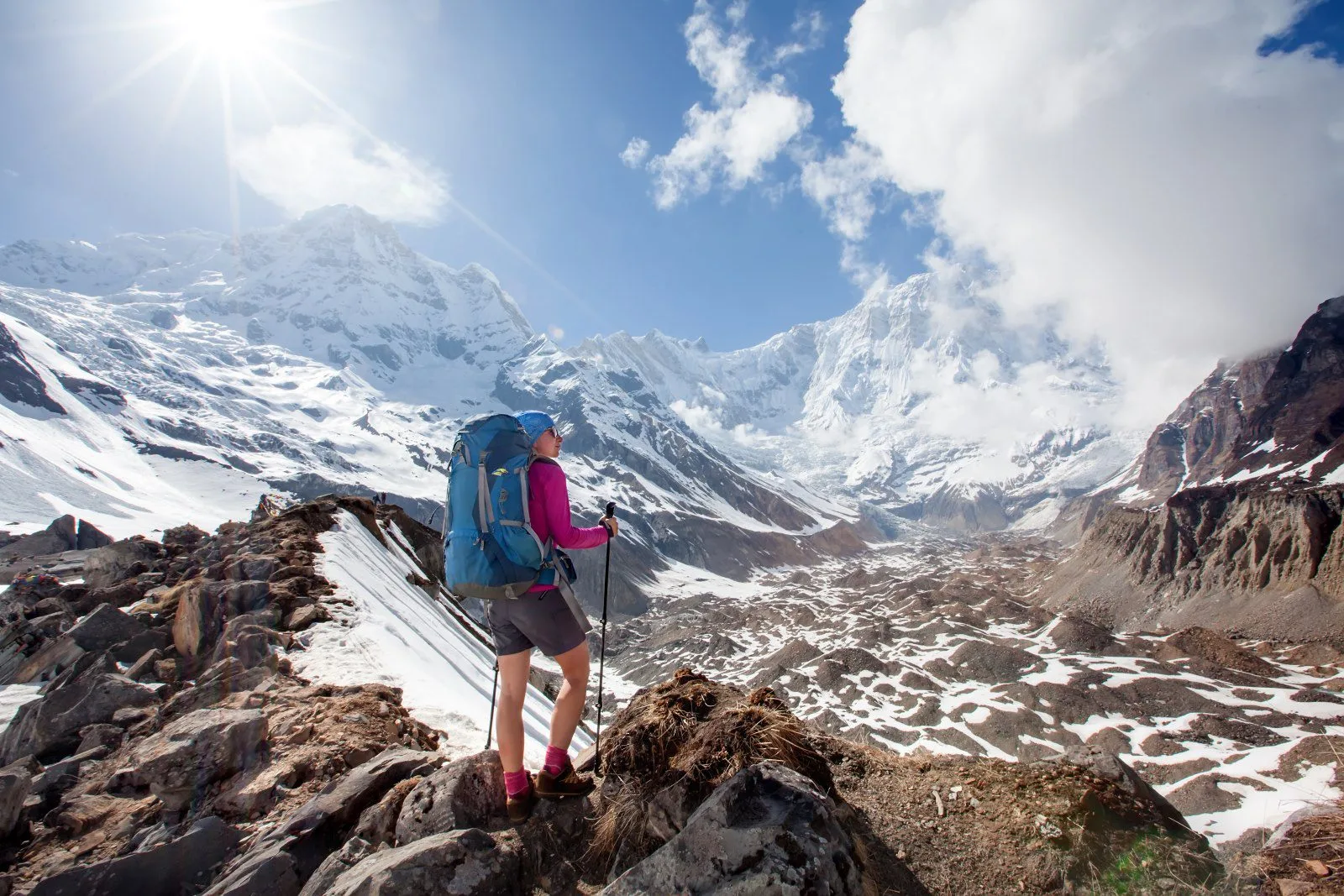
Discover Nepal: Annapurna Base Camp and Langtang Trails
Nepal is a land of mountains, culture, and adventure. Every year thousands of travelers come here to explore its trails, experience the Himalayas, and see nature in its raw form. Among the most famous trekking routes are the Annapurna Base Camp trek, Langtang trekking, Dolpo trekking, and Everest trekking. Each trail gives a unique experience, blending scenic beauty, local culture, and the challenge of the mountains. If you want adventure and nature, Nepal is the perfect place.
Annapurna Base Camp Trek
The Annapurna base camp trek is one of the most loved trekking routes in Nepal. The trail usually starts from Pokhara, a city surrounded by hills and rivers. Pokhara itself is beautiful, with lakes and mountains visible from the city. The trek goes through small villages, lush forests, and terraced fields. You will see local people working in their farms, children playing, and the daily life of Himalayan villagers. The best time to go is from September to November and March to May, when the weather is clear and trails are safe.
The Annapurna region is famous for its variety of landscapes. You start in green hills, move through rhododendron forests, and finally reach high alpine areas near the base camp. Annapurna Base Camp itself is surrounded by towering peaks like Annapurna I, Machapuchare, and Hiunchuli. The sunrise and sunset here are magical. You feel the cold mountain air, see the stars at night, and hear the silence of the Himalayas.
Accommodation along the trail is mostly teahouses. These are small lodges where you eat, sleep, and meet fellow trekkers. The food is simple but tasty. Dal bhat, noodles, and soups are popular choices. People enjoy the chance to talk with locals and learn about their culture. The trek can take 7 to 12 days depending on the route and pace. Fitness is important, but the trail is suitable for beginners with determination.
Langtang trekking
Langtang Trekking is another jewel of Nepal. It is near Kathmandu, so access is easier than other remote regions. Langtang offers a mix of culture and nature. The trail goes through Tamang villages where people live in traditional houses. You will hear Buddhist chants, see monasteries, and feel the spirituality of the area. The trail also has forests, rivers, and waterfalls, giving a peaceful trekking experience.
Langtang Valley is home to snow-capped peaks like Langtang Lirung. The trek is less crowded than Annapurna, making it perfect for travelers who like quiet trails. Wildlife is also rich here. You might spot red pandas, Himalayan monkeys, and colorful birds. The trek takes around 7 to 10 days. Accommodation is mostly teahouses with basic facilities. The locals are friendly and love to share stories of their culture. The trek is moderate in difficulty, and the trails are well-marked.
Langtang has become more popular after the 2015 earthquake, which affected some areas. Reconstruction has made villages safe for visitors, and trekking has helped revive the local economy. Nature lovers and photographers enjoy Langtang for its untouched beauty, clear rivers, and high mountain views.
Dolpo trekking
Dolpo trekking is for adventurers looking for remote and wild experiences. It is in the western part of Nepal and is one of the least visited regions. The trek goes through deserts, high passes, and ancient Tibetan culture. Dolpo is famous for Shey Phoksundo Lake, one of the clearest and deepest lakes in Nepal. The area is high altitude, so preparation and acclimatization are important.
The trail takes 15 to 20 days or more depending on the route. You will pass through isolated villages where life is simple and traditional. People here follow Tibetan Buddhism, and monasteries are common. The landscape is dramatic with snow-covered mountains, cliffs, and deep gorges. Dolpo trekking is challenging but rewarding for those who love solitude and adventure.
Accommodation is limited, and teahouses are basic, but the experience is unique. Few trekkers go here, so you will feel like you are discovering a hidden world. Wildlife includes blue sheep, snow leopards, and Himalayan vultures. The trek requires careful planning and sometimes permits, but the reward is a once-in-a-lifetime experience.
Everest trekking
Everest Trekking is probably the most famous adventure in the world. The trail goes to the base of the highest mountain on earth, Mount Everest. Most people start from Lukla, a small airport surrounded by mountains. The trek passes through Sherpa villages, monasteries, and famous towns like Namche Bazaar and Tengboche.
Everest trekking offers spectacular views of peaks like Lhotse, Ama Dablam, and Everest itself. The trail is challenging due to altitude, so acclimatization days are important. Trekkers also experience Sherpa culture, Buddhist traditions, and mountaineering history. Many lodges along the trail are well-equipped, offering meals, hot showers, and even internet in some places.
The trek can take 12 to 18 days, depending on the route. Some choose the Everest Base Camp trek only, while others combine it with Gokyo Lakes or Three Passes for more adventure. Everest trekking is popular, so you may see many trekkers on the main trail. But the scenery, culture, and atmosphere make it worth it.
Why trekking in Nepal is special
Trekking in Nepal is not just about mountains. It is about culture, nature, and personal challenge. Trails like Annapurna Base Camp and Langtang let you experience different landscapes and local life. Dolpo offers remote adventure, while Everest is about facing the world’s highest peaks. Each trek teaches patience, respect for nature, and connection with locals.
Nepal’s hospitality is also remarkable. People welcome trekkers with warmth. Even in remote areas, you will find food, shelter, and stories to hear. Trekking allows you to disconnect from city life, breathe fresh air, and see wildlife. You feel small in front of huge mountains but connected to the earth.
Best time for trekking
The best time to trek in Nepal is during spring (March to May) and autumn (September to November). During these months, the weather is clear, mountains are visible, and trails are safe. Spring brings rhododendron forests in bloom, and autumn offers stable weather after the monsoon. Winter trekking is possible but cold, especially in high altitudes. Monsoon season (June to August) is not recommended due to rain, landslides, and slippery trails.
Culture and local experience
Nepal is rich in culture. Trekking routes pass through villages with unique traditions. The Annapurna region has Gurung and Magar communities, known for their festivals and hospitality. Langtang is a Tamang area, with Buddhist monasteries, prayer flags, and chants. The Everest region is Sherpa land, famous for mountaineering skills and festivals like Mani Rimdu. Dolpo is Tibetan-influenced, with monks, prayer wheels, and ancient customs.
Meeting locals, sharing meals, and visiting monasteries makes trekking more than physical activity. It becomes a journey into Nepalese life and spirituality. You learn respect for nature and simplicity in life.
Food and accommodation
Nepalese trekking offers simple yet tasty food. Dal bhat (rice and lentils) is a staple, giving energy for long hikes. Noodles, soups, and momos are common. Tea houses provide meals and rooms. Accommodation is basic in remote areas, with shared bathrooms and cold showers. In popular trails like Annapurna and Everest, lodges are more comfortable with internet and hot water. Dolpo is remote, so expect minimal facilities.
Trekking equipment
Trekking in Nepal requires preparation. Important items include good hiking boots, warm clothes, sleeping bags, trekking poles, and water bottles. Altitude sickness medicine, sunscreen, and a first aid kit are essential. The backpack should be light but big enough for personal items and extra clothes. For winter trekking, heavy jackets, gloves, and thermal layers are necessary.
Health and safety
Altitude sickness is a risk in high regions like Everest, Annapurna High Camp, and Dolpo. Acclimatization days, a slow pace, and hydration help. Trekkers should have travel insurance covering high-altitude trekking. Weather can change rapidly, so carrying rain gear and extra layers is important. Trekking with guides or agencies improves safety and local support.
Environmental responsibility
Nepal’s trekking trails face issues like litter and deforestation. Trekkers should follow “Leave No Trace” principles. Avoid plastic waste, use reusable bottles, and respect wildlife. Supporting local communities through accommodation, meals, and guides benefits both travelers and locals. Sustainable trekking preserves Nepal’s beauty for future generations.
Adventure and memories
Trekking in Nepal is unforgettable. You climb trails, see mountains, meet people, and face challenges. Annapurna Base Camp gives spectacular views, Langtang shows peaceful valleys, Dolpo gives remote adventure, and Everest offers the thrill of the world’s highest peaks. Photos, stories, and memories stay with you forever. Many trekkers return to Nepal to explore new trails or repeat favorite experiences.
How to choose the trek
Choosing a trek depends on fitness, time, and interest. Annapurna Base Camp is moderate and scenic, perfect for first-time trekkers. Langtang is moderate and cultural, good for a quiet experience. Dolpo is long and challenging, suitable for experienced trekkers. Everest trekking is challenging and high-altitude, best for those who want adventure and famous trails.
Agencies and guides can help with planning, permits, transportation, and accommodation. Hiring local guides also supports the community and ensures safety.
Travel tips
Start your trek with proper preparation. Train by walking hills, carrying a backpack, and improving stamina. Pack light but include essentials. Respect local customs, greet people, and try local food. Carry cash, as ATMs are limited in remote areas. Stay hydrated and rest when needed. Always listen to your guide for safety advice.
Other notable treks
Nepal has more than just these four trails. Poon Hill, Mardi Himal, Manaslu Circuit, and Gokyo Valley offer shorter or alternative routes. Each trek has its own charm and difficulty. If you have time, exploring different regions gives a fuller experience of Nepal.
Conclusion
Nepal is a country of adventure, culture, and mountains. The Annapurna Base Camp trek, Langtang trekking, Dolpo trekking, and Everest trekking offer unique experiences. From lush forests to high mountains, quiet villages to bustling Sherpa towns, every trail is a journey into nature and life. Trekking in Nepal is more than a hike. It is an experience of connection, challenge, and discovery. For anyone who loves adventure, Nepal’s trails are waiting with beauty, culture, and memories that last forever.