EV Charger Installation in Brooklyn: Brownstones, Driveways, and the No-Driveway Problem
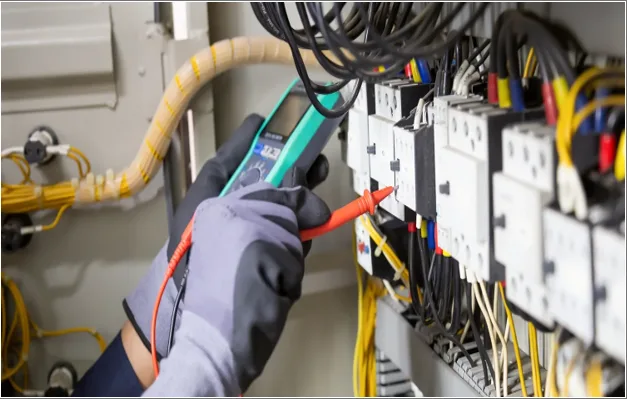
Buying the car turns out to be the easy part. Then comes the Brooklyn question, the one no dealership in the country has a good answer for: where exactly is this thing supposed to charge? This borough contains every scenario at once – detached houses with driveways in Marine Park, shared driveways in Bensonhurst with forty years of unwritten rules, garages under rowhouses, and entire brownstone neighborhoods where the car sleeps wherever alternate side allows. Any Brooklyn electrician doing EV work takes the same first call weekly: “I just got the car. What can my house actually do?”
The honest answer depends on three things – your parking, your panel, and your patience. In that order.
Level 1 vs. Level 2 EV Charging: What an Electrician Actually Installs
Every EV ships with a cord that plugs into a standard 120-volt outlet. That’s Level 1 charging, and calling it charging is generous – it adds roughly 3 to 5 miles of range per hour, a full day and night to replenish a real commute. For a plug-in hybrid or a car that barely leaves the neighborhood, Level 1 on an existing outdoor outlet genuinely works, and some owners never need more. One caution though: that trickle runs for 12-plus hours at a time, and an old outlet on a tired circuit was never meant for that duty cycle. If Level 1 is the plan, the outlet should at least be inspected, dedicated, and GFCI protected.
Level 2 is what people mean when they say “install a charger.” It runs on 240 volts – same supply as an electric dryer – on a dedicated circuit typically between 30 and 60 amps, and it adds 20 to 40 miles of range per hour. Overnight becomes a full battery, every morning, forever. The hardware is a wall-mounted charging station, installed one of two ways: hardwired straight into the circuit, which is cleaner, weather-tighter, and required at the higher amperages, or plugged into a heavy 240-volt receptacle, which keeps the unit swappable. Where the receptacle route is used outdoors or in garages, code now wants GFCI protection on that circuit, which is a detail that separates licensed electricians in Brooklyn from the handyman quote – the protection requirements around these circuits have tightened repeatedly, and the crews doing this weekly keep up.
One sizing note that saves money: a 40-amp or 48-amp charger sounds impressive, but most cars sitting at home for ten hours need nowhere near it. A 32-amp unit fills the overnight window fine, draws less from the panel, and sometimes dodges the upgrade conversation entirely. Which brings us to the panel.
Does Your Panel Have Room for a Charger? Load Calculations First
Here’s where the Brooklyn housing stock bites. A Level 2 charger is one of the largest single loads a home can add – on par with central air, bigger than most ranges – and it wants to run for hours at a stretch, at night, at full draw. Hanging that on a panel that’s already working for a living is how main breakers start tripping at 2 a.m.
So the real first step of EV charger installation in Brooklyn isn’t mounting hardware – it’s a load calculation. The electrician totals the home’s existing demand the way the code book prescribes: square footage, kitchen circuits, laundry, the AC condenser or heat pump, the range, the dryer, every fixed appliance, then applies the demand factors and sees what headroom the service actually has. A 200-amp service almost always swallows a charger without drama. A 100-amp service – which is most of the borough’s rowhouses and plenty of its brownstone floor-throughs – becomes a judgment call that the math settles, not the sales pitch. Sixty-amp fuse service, no conversation needed; the panel upgrade comes first, full stop.
The physical panel matters too, not just the amperage. The new circuit needs two adjacent open slots for a double-pole breaker, and panels in older homes are routinely stuffed, double-tapped, or – the recurring villains of this housing stock – Federal Pacific or Zinsco equipment that no responsible electrician adds load to. Plenty of EV quotes turn into panel conversations in the first ten minutes, and it’s better to hear it standing in the basement than after the charger’s on the wall.
Driveways, Garages, and Outdoor-Rated Charging Stations
Now the part the car forums never cover: Brooklyn parking geography decides the whole install.
The driveway-and-garage neighborhoods – Marine Park, Mill Basin, Bay Ridge’s detached blocks, chunks of Flatlands and Midwood – are the straightforward case. Charger mounts on the garage wall or the house’s side wall facing the driveway, circuit runs from the panel, done. Outdoor installs just need outdoor-rated equipment – sealed enclosures built for weather, mounted at the right height, with the cable routed so it doesn’t lie in snowmelt all winter. The shared-driveway houses add a human variable: the charging cable and the parked car can’t block the neighbor’s half of an easement that’s been peacefully co-managed since 1987, so charger placement sometimes gets negotiated before it gets installed.
Rowhouses with a garage underneath or a rear parking pad work nearly as well – the run from panel to parking is short, and rear-yard installs on a pedestal or rear wall are routine.
Then the brownstone blocks, and here’s where honesty beats salesmanship: if the car parks on the street, there is no private home charger in your future, because running a cable from your parlor floor across a public sidewalk is both prohibited and a lawsuit with a trip hazard attached. No electrician should sell around that. The street-parking answer is public infrastructure – the curbside Level 2 chargers the city and utility have been planting on residential blocks, plus the fast-charging hubs multiplying around the borough – paired with Level 1 or Level 2 at a workplace or garage where available. Some brownstone owners with rear access via an alley or deeded parking do have options worth a site visit. The ones without should spend their money on a public-charging plan, not copper.
Load Management Devices: Charging Without a Panel Upgrade
For the 100-amp houses where the load calc comes up just short, there’s a middle path that’s gotten genuinely good: load management, which lets the charger exist on a service that can’t run it at full tilt all the time.
The simplest version is built into the better chargers – adjustable maximum amperage, set at installation to a level the panel tolerates. A charger commissioned at 24 amps instead of 48 charges slower and still fills the car overnight. Smarter still are the dynamic systems: a current sensor on the main service feeds the charger live data, and the charger throttles itself whenever the house gets busy – dinner cooking, dryer running, AC blasting – then ramps back up when the house quiets down after midnight, which is when the car charges anyway. There are also splitter devices that share an existing 240-volt dryer or range circuit with a charger, powering one at a time, for homes where running a new circuit is the expensive part.
Done right, load management turns a 6,000 service upgrade into a settings decision. Done wrong – the sensor skipped, the charger left at full amperage on a maxed panel – it’s just a tripping main breaker with an app. The device only works when the installing electrician actually configures it to the house.
Permits, Rebates, and Hiring the Right Electrician for the Job
In NYC this is licensed, permitted work – a new 240-volt circuit gets filed with the Department of Buildings and inspected, and the paperwork trail matters at sale time when the buyer’s inspector finds a charger and asks who installed it. A quote that doesn’t mention the permit is telling you something.
The money side has gotten friendlier than most owners realize. A federal tax credit can cover a meaningful slice of charger hardware and installation costs where it applies, and Con Edison’s EV programs reward off-peak charging – which costs nothing to earn, since overnight is when the car charges anyway. Programs shift year to year; a shop doing these installs weekly knows which ones are live this season and hands over the paperwork as part of the job.
What the right installer brings, in the end, is the full sequence in one visit: load calc, panel verdict, parking reality check, charger sized to the car and the service, weather-rated mounting, permit filed. The car’s ready to charge the day it’s commissioned – and every morning after starts with a full battery, which is the entire point of the exercise.
Brooklyn Electrician
1368 Fulton St, Brooklyn, NY 11216
(929) 460-9789