How Smart Bird Feeders Help Modern People Reconnect with Nature—The Benefits of Backyard Birdwatching for Stress Reduction, Focus, and Mental Health
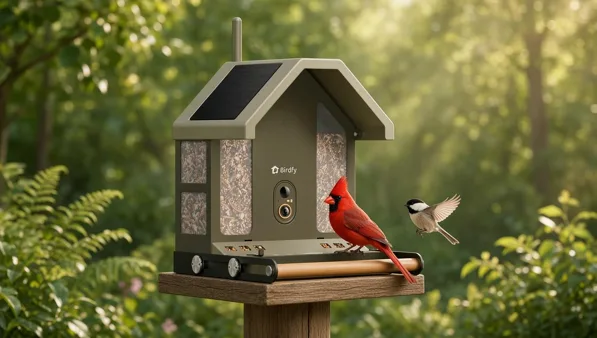
In today’s fast-paced, screen-filled world, many people feel increasingly disconnected from nature. Long work hours, urban living, and constant digital noise leave little room for the quiet restorative power of the outdoors. Yet research consistently shows that even brief contact with nature—especially watching birds—can meaningfully reduce stress, sharpen focus, and support better mental health.
Smart technology is making this connection easier than ever. A modern camera bird feeder turns an ordinary backyard into a living nature documentary that you can enjoy from your phone, whether you’re at home, at work, or traveling. Brands like Birdfy have refined this experience with high-quality cameras, AI bird identification, real-time alerts, and user-friendly apps. The result is a simple, accessible way for modern people to rebuild their relationship with the natural world without needing hours of free time or specialized knowledge.
The Proven Mental Health Benefits of Backyard Birdwatching
Birdwatching is far more than a pleasant hobby. Multiple studies link it to measurable improvements in psychological well-being.
Stress reduction is one of the clearest benefits. Seeing or hearing birds has been associated with lower levels of cortisol (the primary stress hormone), reduced blood pressure, and decreased feelings of anxiety and depression. A large real-world study involving tens of thousands of assessments found that encounters with birds improved mental well-being even after accounting for other environmental factors such as green space. Listening to birdsong for just a few minutes has also been shown to reduce anxiety, depression, and paranoia in controlled settings.
Improved focus and attention is another key advantage. According to Attention Restoration Theory, natural stimuli provide “soft fascination”—they gently hold our attention without demanding intense effort. This allows the brain’s directed-attention systems, which become fatigued by constant multitasking and screen use, to recover. Birdwatching requires quiet observation and sensory engagement, making it an effective form of mental restoration. Research with college students found that structured birdwatching sessions produced greater gains in subjective well-being and larger reductions in psychological distress than general nature walks.
Broader mental health support includes lower rates of hostility and depression, improved mood, and a stronger sense of connection to the living world. For many people, the simple act of noticing birds creates moments of awe, curiosity, and presence—qualities that counteract the fragmented attention and low-level anxiety common in modern life. Even people with limited mobility or no access to large parks can benefit when birds come to them.
These benefits are accessible. You do not need to travel to a national park or become an expert birder. A well-placed feeder in a yard, balcony, or shared outdoor space can bring a steady stream of visitors and the accompanying psychological rewards.
Why Traditional Birdwatching Feels Out of Reach for Many People
Despite the clear advantages, traditional birdwatching has practical barriers for busy modern adults. Finding quiet time to sit outside, learning to identify species by sight or sound, dealing with weather, and simply remembering to look up can feel like extra work on an already full schedule. Urban and suburban residents may also feel that “real nature” is far away.
This is where smart technology changes the equation. A camera bird feeder removes many of the friction points. Motion-activated cameras capture visits automatically, send notifications to your phone, and allow live viewing or recorded clips at any time. You can check in during a coffee break, share a surprising visitor with family, or review the day’s activity in the evening. The experience remains grounded in real birds and real nature, yet it fits into contemporary life.
How Smart Camera Bird Feeders Deepen the Connection
Smart feeders do more than deliver convenience—they amplify the mental health benefits of birdwatching in several ways:
- Instant access and reduced friction: Real-time alerts mean you never miss a visit. Opening the app for a 30-second glimpse of a cardinal or chickadee can interrupt a stressful moment and provide a quick dose of calm.
- Learning and engagement: AI-powered identification (available on systems like those from Birdfy) names the species and often provides facts. Learning the names of regular visitors turns passive watching into active curiosity, which research suggests enhances the well-being benefits.
- Extended observation: Night vision, wide-angle lenses, and continuous recording reveal behaviors most people would otherwise miss—nocturnal visitors, social interactions, or subtle feeding techniques. This deeper knowledge increases appreciation and connection.
- Sharing and community: Many apps allow sharing clips with family or friends. This social element can strengthen bonds and create shared positive experiences around nature.
- Accessibility: People with limited outdoor time, physical constraints, or those living in apartments with only a small balcony can still participate fully.
A quality camera bird feeder essentially brings a private nature livestream into daily life. Instead of nature being something you schedule, it becomes something that gently interrupts and restores you throughout the day.
Birdfy and the Modern Smart Feeder Experience
Among available options, Birdfy has become a popular choice for people seeking a reliable, feature-rich smart feeder. Models typically include HD or higher-resolution cameras, color and infrared night vision, motion detection with instant notifications, free cloud storage for clips, and an intuitive app. Many versions offer AI recognition of thousands of bird species, solar charging options for continuous operation, weather-resistant construction, and straightforward mounting.
Users often highlight the joy of receiving a notification, opening the app, and seeing a clear close-up of a bird that might otherwise have gone unnoticed. Over time, regular visitors become familiar personalities, and the feeder becomes a small daily ritual of reconnection. The combination of reliable hardware and thoughtful software helps turn occasional interest into a sustained habit—the kind of consistent, low-effort engagement that produces lasting mental health benefits.
Practical Ways to Maximize the Benefits
To get the most from a smart feeder:
- Place it where birds feel safe (near cover but with clear sightlines) and where you can enjoy the view or receive strong Wi-Fi.
- Offer appropriate food for local species and keep the feeder clean to support bird health.
- Use the app intentionally: set notifications, review clips mindfully rather than mindlessly scrolling, and try identifying new species.
- Combine tech with real-world time outdoors when possible—fill the feeder, sit for a few minutes, or simply listen.
- Involve household members. Shared interest multiplies the positive effects.
Even five or ten minutes of engaged watching several times a week can accumulate meaningful benefits.
Frequently Asked Questions
Do smart bird feeders really help with stress and focus?
Yes. The core benefits come from observing birds and nature. Smart feeders make those observations more frequent and convenient, which supports the stress-reduction and attention-restoration effects documented in research.
Is a camera bird feeder difficult to set up?
Most modern models, including those from Birdfy, are designed for straightforward installation. Typical steps involve mounting, charging or solar setup, connecting to Wi-Fi via the app, and filling with seed. Many users report being operational within 15–30 minutes.
Will a smart feeder attract only common birds?
You will likely see the common species in your area first, but over time you may attract a wider variety depending on location, food offered, habitat, and season. AI identification helps you notice and learn about less familiar visitors.
Are there ongoing costs?
Basic live viewing, notifications, and short-term clip storage are often free. Advanced AI identification or extended cloud storage may involve optional subscriptions on some models. Battery or solar options reduce the need for frequent charging.
Can apartment dwellers or people without a large yard use one?
Yes. Many people successfully use smart feeders on balconies, small patios, or shared outdoor spaces, provided local rules allow it and birds can safely access the feeder.
How does this compare to simply putting out a regular feeder?
A traditional feeder still offers benefits if you make time to watch. A camera bird feeder multiplies opportunities for observation, provides identification help, and fits observation into busy schedules—making consistent engagement more realistic for many people.
Conclusion
Modern life often pulls us away from the natural world, yet the human need for connection to nature remains strong. Backyard birdwatching offers a proven, accessible path to lower stress, sharper focus, and improved mental well-being. Smart technology removes many of the practical barriers that once limited this practice.
A well-designed camera bird feeder, particularly systems like those offered by Birdfy, brings the quiet drama of wild birds into daily life through clear video, intelligent identification, and timely notifications. What begins as a simple technological convenience can evolve into a meaningful daily ritual—one that restores attention, calms the nervous system, and reminds us that we are still part of a larger living world.
In an age of constant distraction, creating even a small window onto nature is a powerful act of self-care. Setting up a smart feeder is one of the easiest and most enjoyable ways to begin.