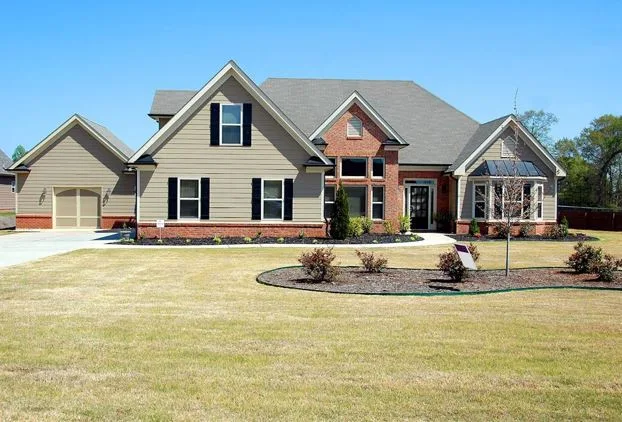
How to Tell When Your Home’s Siding Needs to Be Replaced
Siding plays a critical role in protecting your home from the elements while shaping its overall appearance. It blocks moisture, wind, and debris from reaching the structural framing beneath. At the same time, it defines curb appeal and influences how well your home holds its value. In places like Boulder, Colorado, where homeowners deal with intense sun, hailstorms, and dramatic temperature swings year-round, siding takes on even greater responsibility.
Because of those climate shifts, small problems can escalate quickly. A hairline crack can widen after repeated freeze-thaw cycles. Minor gaps can let in moisture that quietly damages insulation and wall sheathing. Many homeowners focus on roofing but overlook siding until visible damage becomes obvious. By then, interior repairs may already be necessary. Understanding when siding needs to be replaced helps you stay ahead of costly issues and maintain both comfort and efficiency.
Early Warning Signs You Shouldn’t Ignore
The first signs of siding failure are usually visible if you know what to look for. Cracks, warping, or bubbling panels often signal that moisture has entered or that the material has begun to break down. Panels that feel loose or rattle in strong wind may no longer be securely fastened to the structure. These early warnings should not be dismissed as cosmetic flaws. They often indicate deeper problems developing beneath the surface.
While a skilled homeowner can replace a damaged board or resecure a loose panel, widespread issues require professional evaluation. When multiple sections show wear, it becomes harder to maintain a tight seal against the elements. If you live in Boulder siding installation companies have professionals who ensure proper flashing, moisture barriers, and sealing techniques designed for Colorado’s temperature fluctuations. This level of protection helps prevent recurring damage and reduces long-term repair costs.
The Silent Threat: Rot and Hidden Moisture Damage
Not all siding damage is obvious. Rot often develops quietly behind panels, especially in wood-based materials. One practical method for checking suspicious areas is the pick test. Gently press the tip of a screwdriver into the siding. If it sinks in easily or the material crumbles, moisture has likely compromised the structure. That softness suggests the damage extends beyond the visible surface.
You should also pay attention to discoloration, mildew growth, or persistent musty odors near exterior walls. These signs point to trapped moisture that cannot properly dry out. Over time, that moisture spreads to the sheathing and framing. Left untreated, it weakens structural components and creates conditions for mold. Replacing siding before rot spreads widely protects both the home’s structural integrity and its occupants’ health.
Rising Energy Bills and Reduced Efficiency
Damaged siding often affects your utility bills before you connect the dots. Gaps, cracks, and failing seams allow outside air to infiltrate your home. During winter, heated air escapes through those openings. In summer, warm air seeps inside and forces your cooling system to work harder. Even small breaches can disrupt the balance your insulation is designed to maintain.
Moisture intrusion also compromises insulation performance. Wet insulation loses its thermal resistance, which reduces overall efficiency. If you notice unexplained increases in heating or cooling costs, inspect the exterior as part of your evaluation. Upgrading worn siding with properly installed, well-sealed materials can restore energy performance and create measurable savings over time.
Interior Clues That Point to Exterior Problems
Sometimes the clearest evidence of siding failure shows up inside your home. Peeling paint or bubbling wallpaper on exterior-facing walls often signals moisture intrusion from outside. If water slips past damaged siding, it can travel through the wall cavity and affect drywall and finishes. These changes may appear small at first, but they rarely stay that way.
You might also notice drywall seams cracking or minor staining near baseboards and window frames. While plumbing leaks can cause similar symptoms, exterior wall issues deserve equal attention. If multiple interior spots line up with problem areas outside, your siding may be the root cause. Addressing the exterior first prevents repeated cosmetic fixes indoors.
Fading, Outdated Materials, and Impact on Property Value
Severe fading does more than dull your home’s appearance. Prolonged UV exposure gradually weakens certain siding materials, making them brittle and more likely to crack. If color loss appears uneven or chalky residue rubs off on your hand, the material may be reaching the end of its lifespan. Appearance and performance often decline together.
Outdated siding styles can also affect resale potential. Buyers tend to notice worn aluminum, warped wood planks, or mismatched repairs. Even if the structure is sound, exterior neglect raises concerns about hidden problems. Replacing aging siding improves curb appeal and signals proper maintenance. Many homeowners see a strong return on investment because exterior upgrades influence first impressions and inspection outcomes.
Maintenance Fatigue: When Painting Is No Longer Enough
Repainting siding every few years can become both expensive and frustrating. If paint peels quickly despite proper preparation, moisture may be pushing outward from beneath the surface. Fresh coats might temporarily improve appearance, but they cannot correct underlying deterioration. Repeated cycles of scraping and repainting often signal that replacement makes more financial sense.
Caulking presents a similar pattern. If you constantly reseal joints around trim and panels, structural movement or material breakdown could be to blame. Small repairs add up over time. When maintenance demands increase while durability decreases, investing in new siding reduces ongoing labor and material costs. A comprehensive solution usually proves more efficient than continuous patchwork.
The Benefits of Modern Siding Materials
Today’s siding options offer significant improvements in durability and performance. Fiber cement resists fire, pests, and moisture while maintaining a stable structure in fluctuating temperatures. It holds paint well and withstands impact better than many older materials. For homeowners seeking long-term resilience, it offers dependable protection with relatively low maintenance.
Vinyl siding has also evolved. Modern versions include insulated backings that enhance energy efficiency and reduce noise. Improved manufacturing processes help color remain vibrant for years without frequent repainting. Both materials offer a range of styles that complement different architectural designs. Choosing the right product allows you to upgrade protection while enhancing your home’s overall look.