Off-Grid Inverter Manufacturer – Which Inverter Factory is Best?
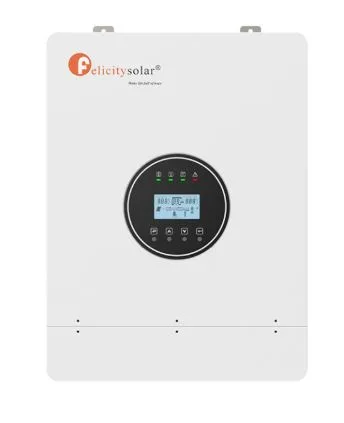
Choosing the right Off-Grid Inverter Manufacturer is one of those decisions that doesn’t feel super urgent at first, until you’re kind of standing in front of a system that just isn’t doing what it should. In real-world solar setups across the U.S., the inverter becomes the quiet backbone of the whole arrangement, like it’s almost invisible, but everything depends on it. Panels get the attention, batteries get the hype, but the inverter is what actually keeps everything usable.
From a practical standpoint, I’ve seen systems succeed or struggle based almost entirely on inverter quality and design. Two installations with similar solar arrays can behave completely differently simply because the inverter engineering, firmware, or factory standards weren’t at the same level. That’s where the manufacturer choice starts to matter more than most buyers initially expect.
Why the manufacturer matters more than the spec sheet
On paper, many off-grid inverters look similar. Power rating, voltage range, waveform type it all starts blending after a while. But what many professionals often observe in field installations is that long-term reliability rarely shows up in the spec sheet.
A strong Off-Grid Inverter Manufacturer doesn’t just build hardware. They design systems that cope with unpredictable loads, battery swings, and all the usual environmental pressures you get in real life. That covers heat, dust, uneven solar availability, and also that constant back and forth between charging and discharging cycles, you know.
In the U.S. market, especially for rural or far-out applications, inverters are expected to do more than simply change DC to AC. They usually orchestrate the full energy environment, solar panels, lithium battery banks, backup generators, and sometimes even grid fallback arrangements. If that coordination doesn’t hold, the whole arrangement becomes unstable fast.
What separates a reliable inverter factory from the rest
In practice, the difference usually comes down to engineering discipline and quality control rather than branding.
A dependable manufacturer typically invests heavily in thermal management design. Off-grid. A dependable manufacturer usually sinks real effort into thermal management design. Off-grid systems, for example, often operate in boxed-in sheds, garages, or utility spaces where temperature swings are just part of the deal. If the cooling approach is off or too light, the internal parts degrade way faster than anyone planned, you know
Then there is surge handling. Real homes are not tidy, predictable loads. A water pump starting, an air conditioner kicking in, or a workshop tool turning on can all cause sudden spikes. Lower-tier inverters might, on paper, claim they can manage the wattage, but they kind of falter under repeated surge stress. Better-designed systems tend to take those jolts in stride without tripping off or throttling the output.
Firmware stability is also a small detail that gets missed too easily. In modern systems, software plays a huge role in battery communication, load balancing, and switching behavior. A strong factory treats firmware updates as part of the product lifecycle, not an afterthought.
And then there’s certification and testing. UL listings, safety compliance, and real load testing under varied conditions are not just formalities; they’re indicators that the equipment has been pushed beyond ideal conditions before reaching the market.
Real-world performance is where the truth shows up
In field usage, you quickly learn that theoretical efficiency doesn’t always match real behavior. An inverter that claims high efficiency might still waste energy through idle consumption or inefficient low-load operation.
In many off-grid homes, especially seasonal cabins or rural properties, systems don’t always run at full capacity. That partial-load behavior is where weaker inverters often underperform. They may draw more standby power or struggle with battery synchronization when demand fluctuates throughout the day.
What many installers notice is that premium Off-Grid Inverter Manufacturer systems tend to behave more predictably under irregular conditions. They don’t necessarily feel “faster,” but they feel stable. And in off-grid environments, stability often matters more than peak performance.
Noise is another subtle indicator. Lower-quality units tend to produce more audible coil whine or fan cycling under load changes. While not a functional failure, it often reflects internal design efficiency and thermal regulation quality.
The hidden trade-offs buyers should understand
No inverter is perfect, and picking a manufacturer kinda always comes with trade-offs, even if you don’t notice it at first. Higher-end factories usually crank out more expensive units, so the price jumps can stretch a project budget, real fast. For smaller off-grid setups, that extra expense might not be justified, particularly if the energy needs are modest and stay pretty predictable.
At the same time, budget-leaning manufacturers can look great on pricing, but they may reduce long-term durability or make support responses slower and less responsive than you’d hope. In off-grid environments where service technicians aren’t nearby, that difference can matter more than it first seems.
There’s also the matter of system flexibility. Some inverters are closely tuned to a specific ecosystem, and that can restrict compatibility with third-party batteries or slow down future expansion. That’s something installers often weigh carefully, especially in systems expected to grow over time.
Choosing based on application, not just brand reputation
There’s no universal “best” Off-Grid Inverter Manufacturer because use cases vary so widely. A remote home in Montana dealing with winter loads has very different needs compared to a coastal property in California running mostly seasonal usage.
From experience, the most successful installations are the ones where the inverter selection is matched to real consumption behavior rather than theoretical maximum load. That includes understanding how often large appliances run, whether there’s a generator backup, and how battery storage is configured.
Installers who take the time to map those patterns usually end up with systems that require fewer interventions later. Honestly, it’s less about chasing the absolute top spec and more about finding a manufacturer whose design philosophy sort of fits the conditions it’s going to be in.
Final thoughts
At the end of the day, picking an Off-Grid Inverter Manufacturer isn’t really about hunting for the best brand; it’s more about spotting engineering consistency, checking real-world testing methods, and also making sure system compatibility lines up.
That inverter kind of sits right in the middle of everything, in an off-grid setup, I guess. If it’s designed well, the whole system feels smoother, energy goes where it’s supposed to, batteries recharge in a predictable manner, and the loads act as you expect. If it’s not, then even the best solar panels and batteries can start feeling a bit disappointing, sort of underperforming, or else weirdly out of sync.
For anyone planning an off-grid installation, it’s smart to slow down a little here and not rush the choice. Talk to installers who have long-term field experience, not just product familiarity. The difference they’ve seen in performance over time is usually where the most useful insights come from.
And if there’s one takeaway, it’s this in off-grid energy systems, the inverter isn’t just another component it’s the decision that quietly determines how reliable your entire setup will be for years to come.