No Hot Water in Queens, NY? Why Your Water Heater Stopped Working and How to Fix It
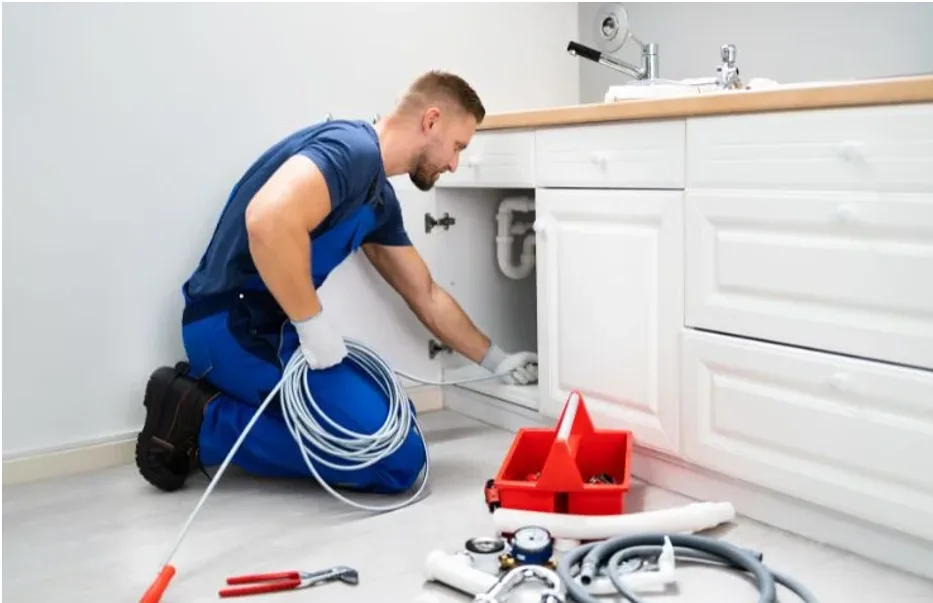
The shower runs cold at 7 a.m. and the day goes sideways from there. No hot water is the first call every plumber Queens homeowners rely on hears in the morning from October through March, and the fix ranges from pressing a reset button to replacing a 15-year-old tank. Gas and electric water heaters fail in different ways, and tankless units have their own list. Here is how to figure out which one you have on your hands.
Gas Water Heater: Pilot Light and Thermocouple
A standing pilot gas water heater makes no hot water when the pilot goes out. Look through the sight glass at the bottom of the tank. No flame means relighting it per the label on the tank, which involves holding the gas control knob on Pilot for a minute while the thermocouple heats. Drafts from a basement window blow pilots out in old Queens houses every windy night. If the pilot lights and dies when the knob is released, the thermocouple is weak. A thermocouple costs under $20 and takes 20 minutes. Newer gas heaters with electronic ignition flash a status code on the gas valve, and a flashing light in a pattern points at the igniter, the flame sensor, or the gas valve itself. A gas valve replacement runs $300 to $500 in Queens, which on a tank older than ten years turns into a conversation about replacing the whole unit.
Electric Water Heater: Reset Button and Heating Elements
An electric water heater has a high limit reset button behind the upper access panel, under the insulation. It trips when the water overheats, usually because a thermostat stuck or an element shorted. Shut off the breaker, remove the panel, press the red button, and restore power. If it trips again within a day, something is failing. Electric heaters use two elements, upper and lower. A dead upper element means no hot water at all. A dead lower element means a few minutes of hot water followed by cold, since only the top of the tank heats. A multimeter test across the element terminals confirms it. Elements cost $20 to $40 and the replacement takes an hour, and sediment buildup on the lower element in a tank that has never been flushed is the usual reason it burned out.
Tripped Breaker, Gas Supply, and Water Supply Problems
Check the breaker panel for a tripped 30-amp double-pole breaker on an electric heater. Check that the gas shutoff valve on the supply line to a gas heater is parallel to the pipe, meaning open. A building with a recent gas leak repair may still have the meter locked by Con Edison or National Grid, and no appliance in the building will light until the utility restores service. On the water side, a closed cold water inlet valve or a failed dip tube leaves the tank with nothing to heat or sends cold water straight to the hot outlet.
Tankless Water Heater Problems
A tankless unit shuts down with an error code on its display. Scale buildup inside the heat exchanger is the most common cause in units that have never been descaled, and the fix is a vinegar flush through the isolation valves, about an hour with a small pump. A clogged inlet filter screen starves the unit of flow and it refuses to fire. Gas supply undersized for the unit, common when a tankless was installed on the old half-inch line that fed a tank, causes the unit to drop out at full demand. Frozen condensate lines on exterior-vented condensing units stop them in January. Most Queens tankless units are Navien, Rinnai, or Noritz, and each brand’s code chart is on the manufacturer’s site.
Sediment, Age, and When the Tank Is Done
Sediment settles at the bottom of a tank water heater and insulates the water from the burner or element. A gas heater that pops and rumbles is boiling water trapped under sediment. Hot water that runs out fast, water that looks rusty, and a tank that takes an hour to recover all point at a tank near the end. Water heaters last 8 to 12 years. Rust at the base, a weeping drain valve, or water on the floor means the tank wall has failed, and no repair exists for that. A standard 40-gallon gas tank replacement runs $1,500 to $2,800 installed in Queens, with permits and a new expansion tank where the building has a check valve on the main.
Hot Water in the Kitchen but Not the Shower
When one fixture runs cold and the rest run hot, the water heater is fine. A shower valve cartridge with a failed pressure-balancing spool blocks the hot side. A single-handle kitchen faucet cartridge does the same. A crossover in a failed mixing valve or a recirculating line can push cold into the hot side of the whole house, and that one shows up as lukewarm water everywhere even though the tank is at 130 degrees. Cartridges are a $30 part and a half hour of work.
Picture a Rego Park two-family where the upstairs tenant has no hot water and the downstairs owner does. The owner assumes the shared heater died. The plumber finds the tenant’s shower cartridge seized, swaps it, and the hot water comes back. Two months later the heater’s thermocouple goes and both apartments run cold. Same house, two unrelated problems, and the second one took ten minutes.
Queens Plumber Co
116-13 Queens Blvd, Forest Hills, NY 11375
(929) 499-0746