Streamline Family Tasks with an Effective Fridge Calendar System
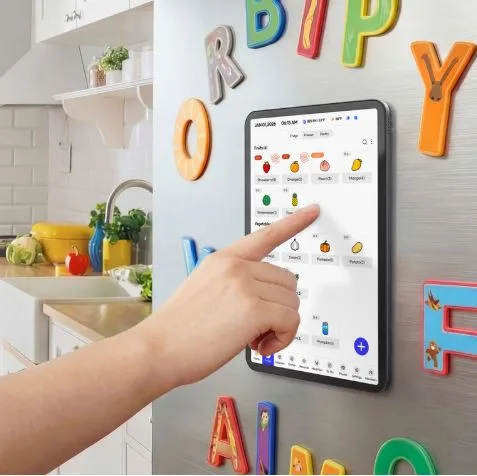
It’s 7:45 AM, and you’re already behind. One child can’t find their permission slip, another just remembered they have soccer practice tonight, and you’ve completely blanked on what’s for dinner. Sound familiar? For millions of busy parents, this kind of morning chaos isn’t the exception — it’s the routine.
The root of the problem isn’t laziness or poor parenting. It’s the sheer volume of information a modern family must track: school schedules, work deadlines, extracurricular activities, household chores, and meal planning — all competing for space in an already overloaded mind. The mental load is real, and it’s exhausting.
Enter the fridge calendar system — a simple, highly visible command center that brings every moving piece of family life into one place. Because the refrigerator is the one spot everyone visits multiple times a day, it becomes the perfect anchor for your household’s schedule, chores, and meals.
This article walks you through building an effective fridge calendar system from scratch, covering everything from setup and layout to scheduling strategies and meal planning. The payoff? A measurable reduction in daily stress, fewer forgotten commitments, and a home that runs with far more harmony than chaos.
What is a Fridge Calendar and Why Every Busy Family Needs One
A fridge calendar is exactly what it sounds like — a physical, always-visible organizational hub mounted on or near your refrigerator that consolidates your family’s schedules, responsibilities, and meals into one central location. Unlike a planner buried in a drawer or a phone app that only one person checks, it lives where everyone already gathers. Its core components typically include a monthly or weekly date grid, a task or chore section, and a dedicated meal planning area, all working together as a unified system.
The benefits go well beyond simple convenience. When every family member — including kids — can see upcoming commitments at a glance, communication improves dramatically. Forgotten dentist appointments, missed permission slips, and surprise soccer practice conflicts become far less frequent because the information isn’t locked inside one parent’s head. It distributes the mental load across the household rather than concentrating it on one overwhelmed adult.
What sets a fridge calendar apart from digital alternatives is its passive visibility. A phone notification is easy to dismiss; a wall-sized weekly view is impossible to ignore. Children who can’t yet navigate apps can still read a color-coded chore chart. Babysitters and grandparents can reference the schedule without needing account access. For busy parents who need every family member pulling in the same direction, that constant, tangible presence makes all the difference. Some families find it useful to maintain a digital counterpart — tools like Everblog offer shared calendar features that can mirror your fridge layout for on-the-go reference — but the physical system remains the household anchor.
Building Your Effective Fridge Calendar System: A Step-by-Step Guide
Before you hang anything on the fridge, gather your core materials: a magnetic whiteboard or adhesive calendar pad, dry-erase or wet-erase markers in multiple colors, small magnets or clips for holding notes, and sticky tabs for labeling sections. Families with younger children may also want laminated chore cards that can be moved around easily. The goal is a system that’s durable enough for daily use but flexible enough to change week to week without becoming a permanent mess.
Customization matters more than perfection. A family with three school-age kids and two working parents has very different needs than a household with one toddler and a flexible schedule. Before you start drawing grids, spend five minutes listing every recurring commitment your family manages — school pickups, sports practices, work meetings, medical appointments, and weekly errands. That list becomes the skeleton of your layout.
Step 1: Choosing the Right Location and Tools
The refrigerator door is the obvious choice, but side panels or a nearby wall often offer more writing space without cluttering the main surface. Measure your available area first. Magnetic whiteboards work best on metal fridges and allow repositionable notes, while adhesive calendar sheets suit smooth surfaces where magnets won’t hold. Whichever you choose, make sure it sits at a height everyone — including kids — can comfortably read and reach. If you already use the fridge for grocery lists or school artwork, integrate the calendar into that zone rather than fighting it.
Step 2: Designing a Functional and Engaging Layout
Divide your surface into three clear zones: a date grid on one side, a chore or task column in the middle, and a meal planning strip along the bottom or opposite edge. Assign each family member a specific marker color so appointments are immediately attributable at a glance — blue for one parent, green for the other, red for the eldest child, and so on. Symbols like stars for deadlines or circles for recurring events add another layer of clarity without crowding the space. Letting kids help draw the grid or choose their color creates immediate buy-in and makes them far more likely to actually use it.
Step 3: Populating Your Calendar with Core Information
Start with the non-negotiables: school hours, work schedules, standing appointments, and any recurring weekly commitments. Write these in permanent marker if your board allows it, or in a consistent color reserved strictly for fixed events. Leave deliberate blank space in each day’s cell — that breathing room is where flexible tasks, last-minute additions, and quick notes will live. A crowded calendar becomes impossible to read and quickly gets abandoned, so resist the urge to fill every inch from day one. Add one week at a time until the rhythm feels natural.
Mastering Family Scheduling and Chore Management with Your Fridge Calendar
With your calendar physically in place, the real work begins — turning it from a pretty grid into a genuine problem-solver. The two areas where busy parents feel the most friction are scheduling conflicts and chore enforcement. A well-used fridge calendar attacks both simultaneously, not by adding more rules to your household, but by making existing expectations visible and shared.
Strategies for Efficient Family Scheduling
Think of your calendar in time blocks rather than individual events. Instead of writing “soccer” on Tuesday, block the entire window from school pickup through post-practice dinner — that visual chunk prevents anyone from scheduling a playdate or errand run that would create a conflict. When two commitments appear to overlap, the calendar makes the problem obvious before it becomes a crisis, giving you time to delegate or rearrange rather than scramble.
A weekly family check-in, even just ten minutes on Sunday evening, transforms the calendar from a reference tool into an active planning mechanism. Gather everyone around the fridge, walk through the coming week column by column, and flag anything that needs preparation — a permission slip to sign, a costume to assemble, a ride to coordinate. This single habit eliminates the majority of Monday-morning surprises. For managing genuinely overlapping commitments, use a small symbol like an asterisk to mark days that need a backup plan, and assign one parent ownership of resolving it before the week starts.
Chore Management Solutions for a Harmonious Home
The chore column works best when tasks are tied to specific days and specific people rather than left as a general floating list. Assign each family member two or three recurring weekly tasks — trash on Monday, vacuuming on Wednesday, bathroom wipe-down on Friday — and write them in that person’s designated color. Age-appropriate assignments matter: a six-year-old can set the table and feed a pet; a twelve-year-old can handle laundry sorting and dishwasher unloading. When expectations are written rather than spoken, they stop feeling like nagging and start feeling like a shared agreement.
A simple completion system keeps accountability without creating a reward chart that requires constant parental management. A small checkbox next to each task, or a magnetic dot that moves from “to do” to “done,” lets kids self-report and gives parents an at-a-glance status without asking. Rotate tasks monthly so no one feels permanently stuck with the worst jobs, and use the Sunday check-in to acknowledge what got done well. Recognition on the calendar itself — a star sticker or a quick “great job” note — reinforces participation far more effectively than reminders ever will.
Enhancing Your System: Smart Recipes and Kitchen Organization
A fridge calendar that stops at scheduling is only doing half its job. For most families, the daily question of “what’s for dinner?” generates as much stress as any missed appointment — and it hits at the worst possible moment, when everyone is tired and hungry. Dedicating a horizontal strip at the bottom of your calendar to weekly meal planning closes that gap entirely. Write Monday through Sunday with a single meal beside each day, chosen on Sunday when you have five calm minutes rather than at 5:30 PM when you have none.
Smart recipes for busy households share a few common traits: they use overlapping ingredients, require thirty minutes or less on weeknights, and leave intentional leftovers. Plan a Sunday roast chicken that becomes Monday’s quesadillas and Tuesday’s soup. Write these meal names directly on the calendar in a neutral color reserved for food — that visual distinction keeps dinner planning from blending into the appointment grid. Below the meal strip, a small grocery column lets you jot missing ingredients as you think of them throughout the week, so the Saturday shopping trip becomes a quick scan rather than a mental reconstruction.
Kitchen organization ties directly into this system. Store your most-used weeknight ingredients — pasta, canned tomatoes, rice, cooking oils — at eye level so the path from calendar to cooking is as short as possible. A small magnetic notepad clipped beside the calendar handles the running grocery list, while a labeled bin on the counter corrals the week’s recipe cards or printed instructions. When the physical kitchen environment supports the plan written on the calendar, the gap between intention and execution shrinks dramatically, turning meal planning from a daily burden into a single Sunday decision that carries the whole week.
From Chaos to Clarity: Why the Fridge Calendar System Works
The fridge calendar system works because it meets your family exactly where they already are — standing in front of the refrigerator, multiple times a day, whether they’re looking for a snack or rushing out the door. By consolidating schedules, chore assignments, and meal plans into one always-visible hub, it shifts the burden of family organization from one overwhelmed parent’s memory to a shared, transparent system that every household member can read, contribute to, and rely on.
The real wins add up quickly: fewer missed appointments, less nagging around chores, no more 5:30 PM dinner panic, and Sunday evenings that actually set the week up for success rather than dread. The mental load doesn’t disappear, but it becomes manageable — and more importantly, it becomes shared.
You don’t need a perfect setup to start. Grab a magnetic whiteboard, pick four marker colors, and block out thirty minutes this Sunday to sketch your first layout. Start with just the date grid and meal strip, then add the chore column once the rhythm feels natural. Adapt it as your family grows and your routines shift. The best fridge calendar system isn’t the most elaborate one — it’s the one your family actually uses, every single day.