The New Basics of AI Product Photography for Apparel Brands
For apparel brands, product photography is doing more work than ever before. A clean main image is still important, but it is no longer enough on its own. Today’s shoppers want a closer look before they buy. They want to see texture, stitching, trims, and the small design details that shape how a garment feels and looks.
That change matters because clothing is a visual product built on trust. Online shoppers cannot touch the fabric or inspect the finish in person. The product page has to help them do that from a screen. That is why the basics of apparel photography have changed. Brands now need more than a polished hero shot. They also need detailed and close-up images that help people understand what they are buying.
Why apparel product images need to do more today
A strong hero image still plays an important role. It gives shoppers a fast, clear view of the garment and helps them decide whether to keep looking. But in apparel, the first image is only the start of the decision process.
Many shoppers want to look closer before they feel ready to buy. They may zoom in on the neckline, check the cuff, study the seam, or look for signs of texture and finish. A shopper comparing two similar items may base the final choice on details that seem small at first glance but matter a great deal in context.
At the same time, brands are creating more content for more channels. One product may need images for a product page, a campaign, a marketplace listing, and social content. That growing demand has pushed many teams to rethink how visual content gets made and how quickly they can build out a more complete image set.
As brands adjust to that shift, tools such as iCreat AI Product Image Generator reflect a broader move toward faster and more flexible content workflows for ecommerce teams.
The core image types every apparel brand should think about
Most apparel teams already know the value of a strong main image. What often gets less attention is the mix of supporting images that helps a shopper move from first interest to real confidence.
The first type is the hero image. This gives the clearest overall view of the item and sets the tone for the product page.
The second type is the shape image. This helps the shopper understand the garment’s silhouette, structure, or general drape. For a blazer, that might mean seeing the overall cut. For a knit dress, it may mean understanding how the fabric falls.
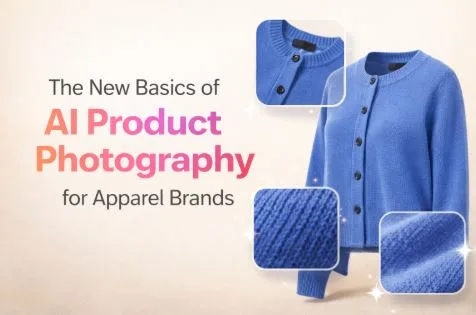
The third type is the detailed image. This is where product photography becomes much more useful. Detailed images can show stitching, hems, labels, buttons, pockets, pleats, trims, and other design features that shape how shoppers judge quality.
The fourth type is the close-up image. A close-up does not just show detail. It focuses attention on one part of the garment so the shopper can inspect it more clearly. That may be a textured knit surface, a finished cuff, a zipper area, or the edge of a collar.
Together, these image types create a fuller and more useful product story.
Why do detailed and close-up images matter so much in apparel
In apparel, shoppers are often trying to answer questions that go beyond color and price. They want to know whether the garment looks well made. They want clues about fabric feel, finish, and construction. They want to see the parts of the product that are hardest to judge from a simple front-facing shot.
That is why detail and close-up images matter so much. They help shoppers answer practical questions before buying.
They can help someone judge whether a sweater looks soft or heavily textured. They can help a shopper see whether a blazer has clean seam work and sharp finishing. They can help explain a dress through the details of the neckline, sleeve edge, or gathered waist.
These images do not need to be dramatic to be useful. In many cases, they are valuable because they are specific. They bring attention to the parts of a garment that shape quality and perception.
For fashion brands selling online, that kind of clarity matters. A polished hero shot may create interest, but a close-up image often helps support the final decision.
Where AI fits into apparel image workflows
AI works best when it solves a practical content problem. In apparel, one common problem is that brands do not always have every image type they need for every product. They may have a strong main image, but they may not have enough supporting visuals to show the details that matter most.
That is where AI can be useful. Instead of treating it as a replacement for every part of product photography, brands can use it to build out supporting visuals that make product pages more complete and more informative.
This is an important distinction. The value is not in making bigger claims than the tool can support. The value is in helping teams present garments more clearly, especially when they need more than one standard product image to tell the story well.
For many apparel teams, that means using AI to support detail-focused content that highlights finishing, trim, structure, or fabric features in a more direct way.
How AI Product Photography helps show garment details more clearly
One practical use of AI Product Photography in fashion is generating garment custom mockup details and close-up images that help brands present fabric, trim, and finishing details more clearly.
This is useful because close-up content often takes extra work to plan and produce. A team may need additional image variations to show the difference between a plain surface and a textured one. They may want a clearer look at a seam line, a collar finish, or a cuff detail that does not stand out enough in the main image.
For example, a fashion brand selling a tailored jacket may want more attention on the lapel edge, buttons, and stitching. A knitwear brand may want to show the surface texture that gives the piece its appeal. A dress brand may want a closer view of gathers, sleeve finish, or trim details that help explain the design.
In these cases, detail-focused image generation can help create supporting visuals that make the product page more useful. The goal is not to overwhelm the shopper with more images. The goal is to give the shopper a clearer look at what matters.
That makes this kind of visual support especially relevant for apparel, where the small details often shape how quality is understood.
What brands should still get right
Even with better tools, the standard should stay simple. Product images should help shoppers understand the garment clearly. They should support the real product story, not distract from it.
That means brands still need to focus on consistency, clarity, and thoughtful presentation. A close-up image should highlight something meaningful. A detailed image should answer a real shopper’s question. The best visual strategy is not just about having more content. It is about having the right content in the right places.
When brands use AI in that way, it becomes easier to build product pages that feel more complete without losing focus.
A stronger product page starts with more useful visuals
The strongest apparel product pages are not always the ones with the flashiest images. Often, they are the ones who make the product easier to understand.
That is why the new basics of apparel product photography go beyond the hero shot. Today, useful product pages often include detail and close-up visuals that help shoppers inspect texture, finishing, and garment features with greater confidence.
In apparel ecommerce, shoppers do not just want to see the product. They want to inspect it. And that is exactly why detail and close-up images are becoming part of the new standard for useful product photography.